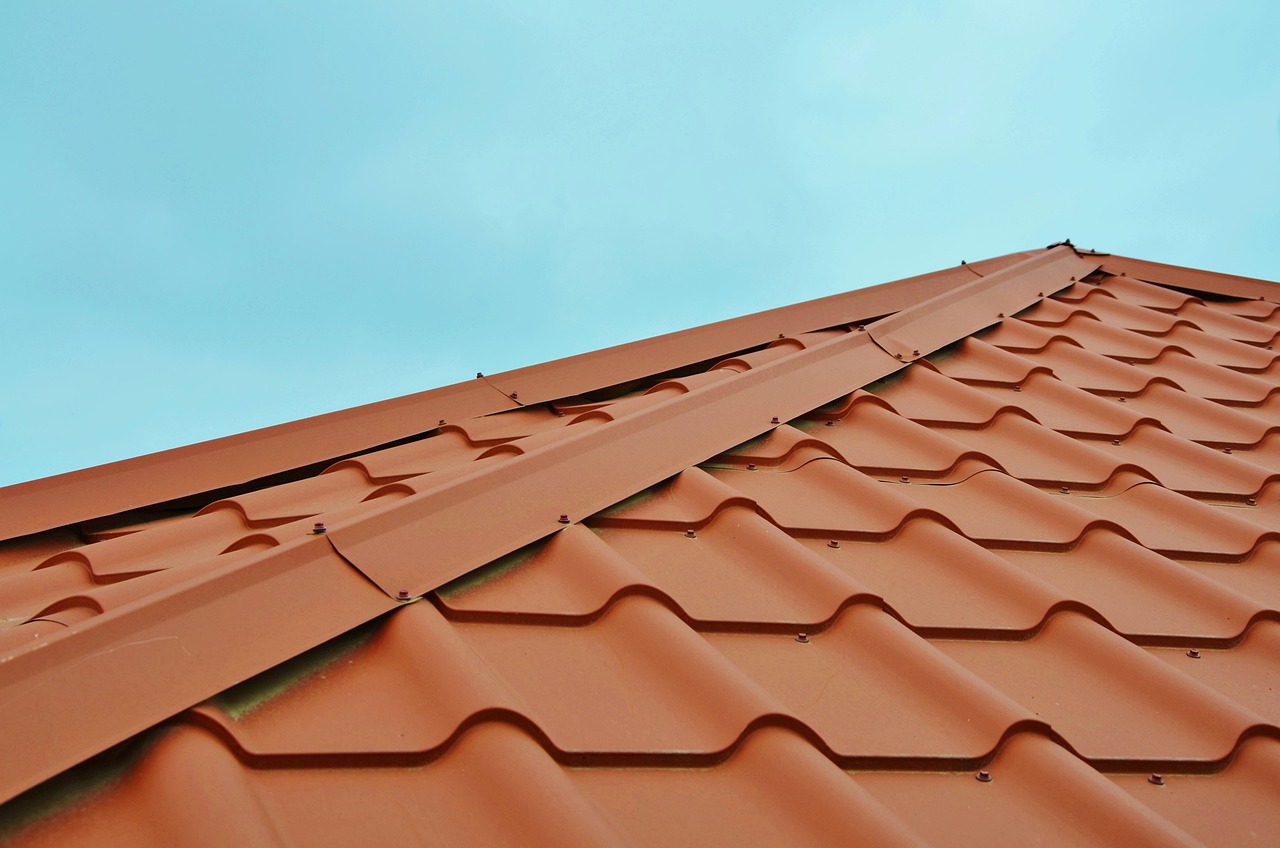
In Tampa, the preservation of historic homes is not just about maintaining architectural gems; it's about safeguarding a community's heritage and cultural identity. However, these older structures often face a significant challenge: roof mold. Roof mold not only compromises the structural integrity of these homes but also threatens their value and the health of their occupants. Tampa roof mold removal is a specialized service that addresses this problem directly, employing expert knowledge and advanced techniques to restore and protect these historic properties. By understanding the mold inspection process, the role of material selection, and the importance of efficient, cost-effective solutions, homeowners can ensure their Tampa historic homes remain secure and valuable for generations to come.
- Assessing Tampa Historic Homes for Roof Mold
- Natural Solutions for Tampa Roof Mold Removal
- Preserving Heritage: Restoring Tampa Roofs
- Regulatory Compliance in Tampa: Mold Remediation
- Long-Term Prevention Strategies for Tampa Roofs
Assessing Tampa Historic Homes for Roof Mold
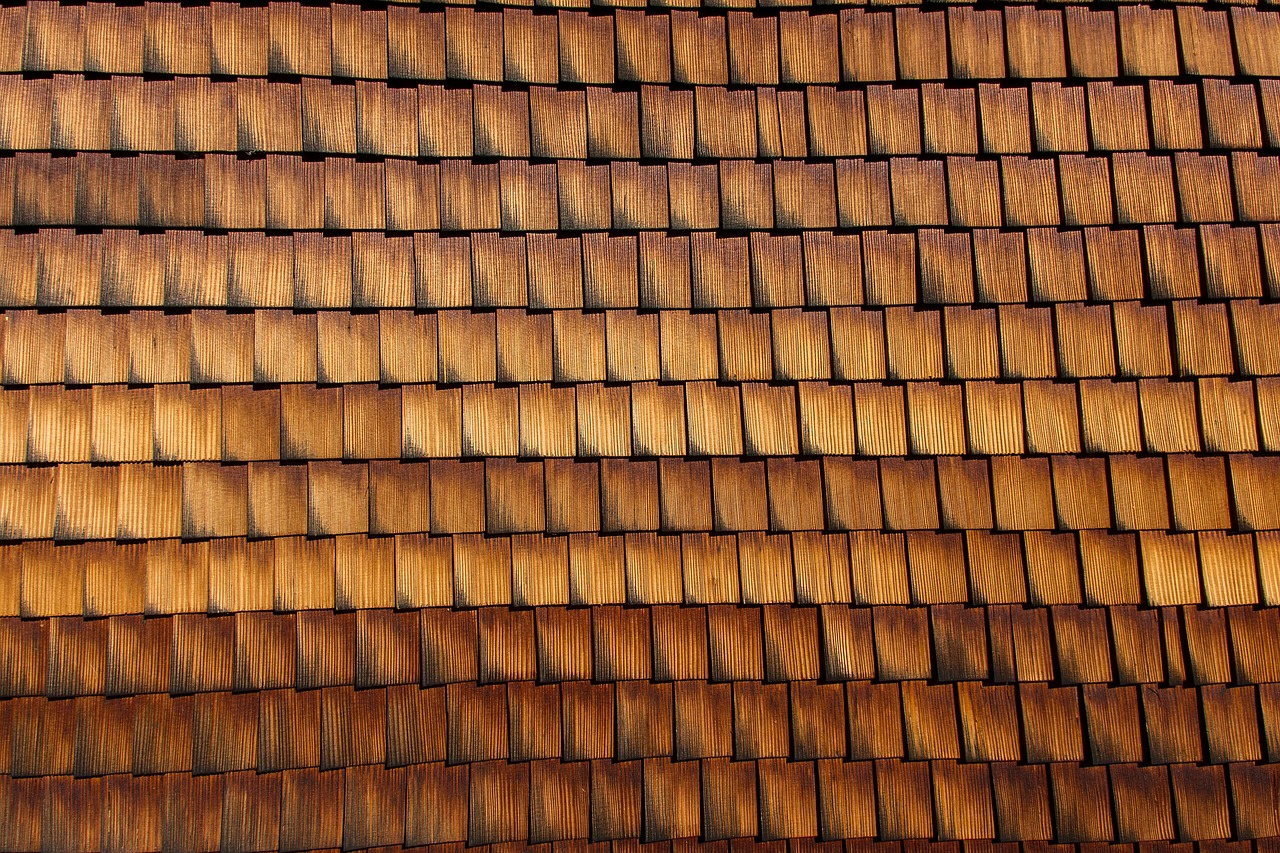
Assessing Tampa's historic homes for roof mold is a critical step in preserving these architectural treasures. For identifying mold, a thorough inspection process is key. Licensed professionals in Tampa roof mold removal begin with a detailed roof condition assessment, examining the overall health and integrity of the roofing system. This involves climbing up to inspect for visible signs of mold growth, checking for water damage or leaks, and assessing the materials used. Older homes might have shingles that are more susceptible to mold, while newer installations may have unique challenges like flashings or valleys prone to collecting moisture.
The experts also consider the property's history and the surrounding environment. Factors such as past renovation projects, nearby bodies of water, and the general climate play a role in determining potential mold issues. Once a potential problem is identified, further documentation and sampling may be required. This involves taking small sections of the suspected moldy material to a lab for analysis, ensuring an accurate diagnosis. A same-day roof mold repair Tampa service is not just about aesthetics; it's about ensuring the structural integrity and safety of the building.
By combining visual inspections, material assessments, and scientific testing, licensed roof mold remediation experts in Tampa can accurately pinpoint the extent of the problem. This detailed approach ensures that the appropriate preservation techniques are employed, whether that involves quick, budget-friendly solutions or more extensive, material-specific methods. The goal is to preserve the historical value of these homes while mitigating health risks associated with mold exposure.
Natural Solutions for Tampa Roof Mold Removal
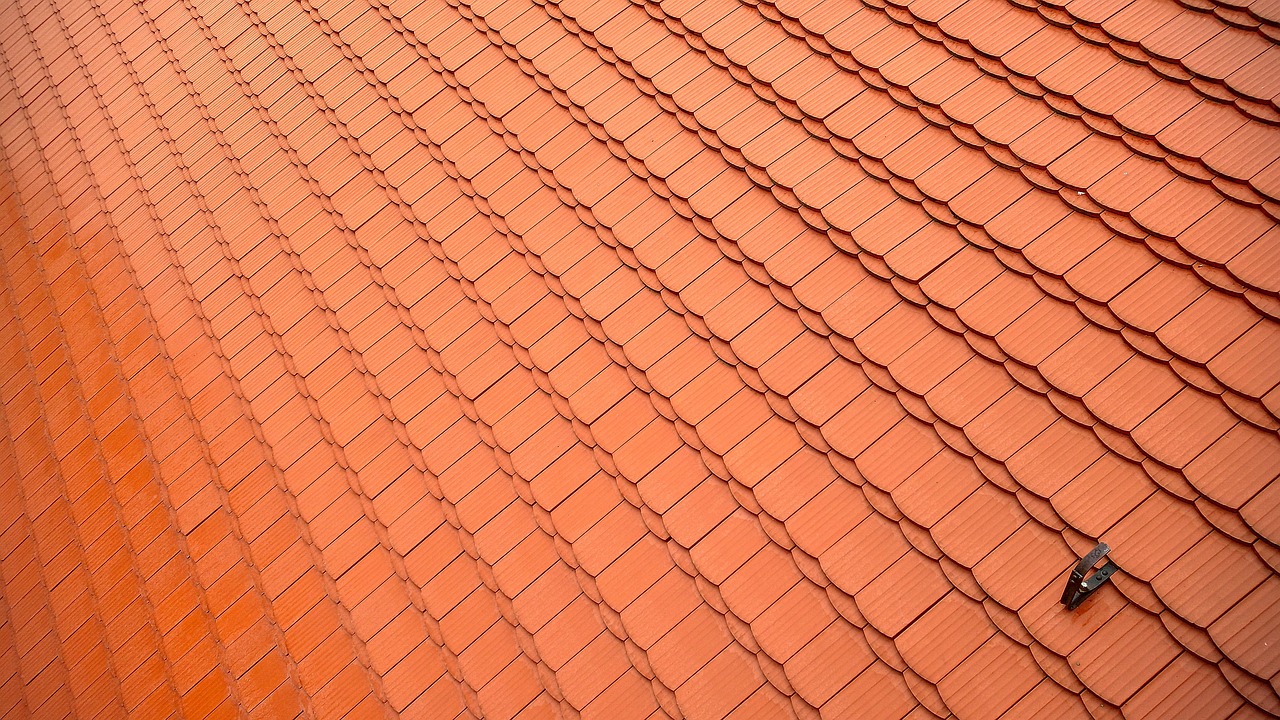
For historic homes in Tampa, addressing roof mold removal naturally is both a preservation and a practical concern. Homeowners and property managers must strike a delicate balance between preserving architectural integrity and implementing effective, cost-efficient solutions. While chemical treatments are readily available, many prefer a more eco-friendly approach that respects the home's historical significance.
Natural solutions for Tampa roof mold removal focus on prevention and targeted treatment. One key strategy is to improve airflow and reduce moisture levels. This can involve simple measures like ensuring adequate ventilation in attics and crawl spaces, or more complex systems like installing dehumidifiers. Using natural materials known for their mold-resistant properties during roofing repairs or replacements can significantly reduce future mold issues. Local experts in experienced roof mold removal Tampa often recommend a holistic approach, combining these preventative tactics with regular visual inspections and prompt addressing of any mold signs.
Low-cost roof mold repair Tampa is achievable through these natural methods, making it an attractive option for budget-conscious property owners. While initial investment may vary, the long-term savings can be substantial. A well-maintained roof with proper ventilation and moisture control can extend its lifespan, reducing the frequency of costly repairs. Natural solutions offer peace of mind, knowing that potentially harmful chemicals aren't introduced into the living environment. By prioritizing natural roof mold removal, Tampa homeowners can preserve their property's historical character while ensuring a healthy, safe living space.
Preserving Heritage: Restoring Tampa Roofs
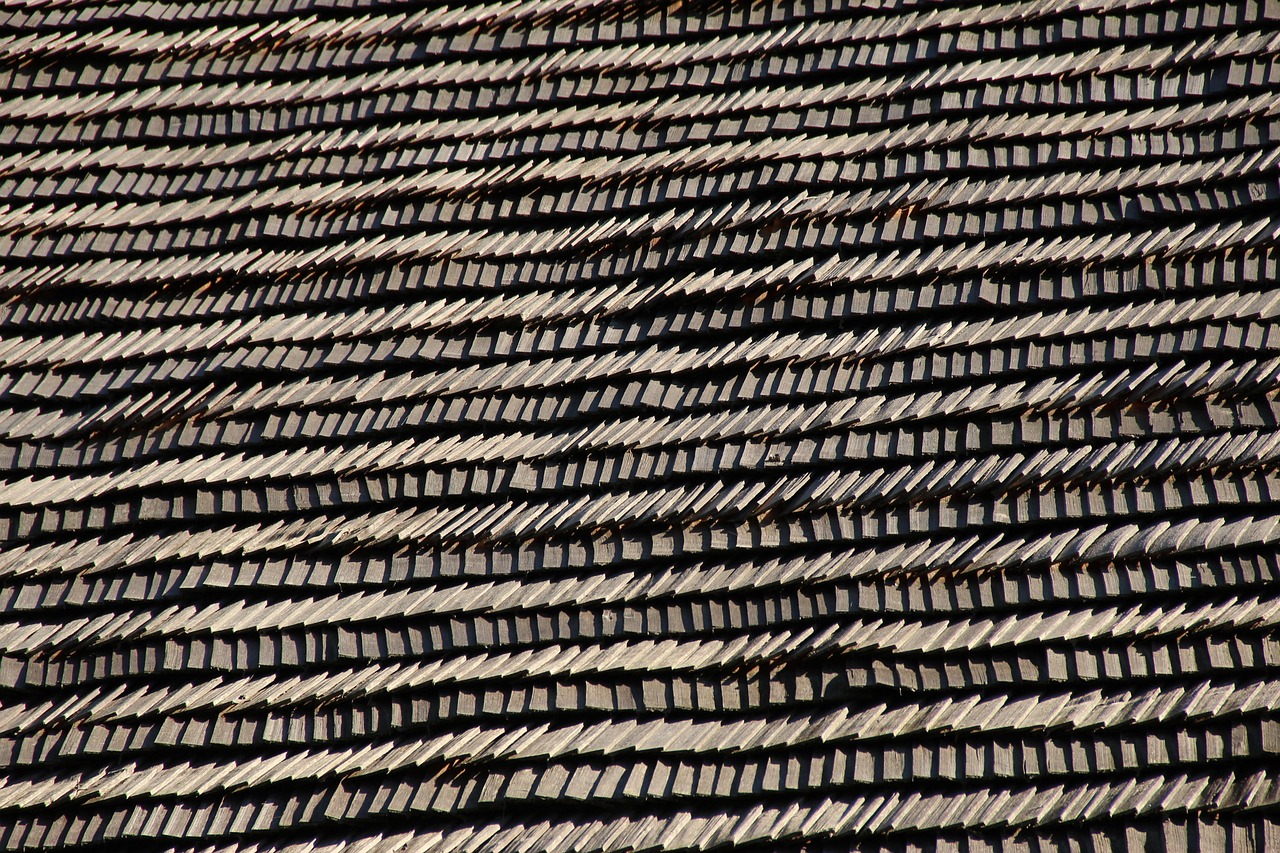
In the heart of Tampa, historic homes are not just structures; they are testaments to the city's rich heritage. Preserving these architectural gems requires a delicate balance between safeguarding history and addressing contemporary challenges, such as roof mold. Tampa roof mold removal is not just a service; it's a specialized craft that ensures these homes remain intact and beautiful for future generations. The process involves more than just eliminating mold; it entails understanding the unique needs of historic roofing materials and preserving the structural integrity of these old buildings.
Experienced roof mold removal professionals in Tampa, often highlighted in consumer reviews, understand the nuanced approach needed for these projects. They begin with a thorough mold inspection process, assessing the roof's condition and identifying the extent of the mold issue. This critical step is followed by pre-remediation care, which may include material selection and roof condition assessments tailored to the specific roofing materials used in historic homes. Some older roofs might require special treatments to combat mold due to their unique composition. Certified roof mold remediators in Tampa prioritize non-destructive methods and use cost-effective solutions to preserve the property's value while effectively removing mold.
The expertise of local experts in Tampa roof mold removal is evident in their rapid response times and efficient remediation processes. They understand that time is of the essence, especially in preserving historic structures. By combining specialized services with a deep knowledge of Tampa's architectural history, these professionals ensure that mold removal is carried out with the utmost care and respect for the past. For homeowners, this means peace of mind, knowing that their historic homes are in capable hands. The result is a restored roof that not only looks good but also ensures the longevity of these cultural landmarks.
Regulatory Compliance in Tampa: Mold Remediation
In Tampa, historical home preservation goes hand in hand with stringent regulatory compliance for mold remediation. Given the city's unique architectural heritage, proper handling of mold issues is both critical and complex. When facing emergency mold remediation in Tampa, it's essential to understand local regulations and engage the expertise of specialized providers. The Florida Department of Health, for instance, sets guidelines for safe mold cleanup, including proper personal protective equipment and work practices.
Local Tampa roof mold specialists are well-versed in these regulations and equipped to handle a range of mold-related issues, from minor surface growth to extensive structural infestations. They employ advanced techniques and tools to ensure thorough remediation while minimizing disruption to historical properties. A reputable local expert might use a combination of HEPA vacuuming, antimicrobial treatments, and negative air pressure to contain and eliminate mold. Proper documentation is also key; experts should provide detailed records of the mold's extent, the remediation process, and the results, which can be crucial for insurance claims or future reference.
Beyond compliance, Tampa roof mold prevention and treatment strategies are vital for maintaining the integrity of historic homes. This includes regular inspections, prompt addressing of water leaks, and selecting mold-resistant roofing materials during repairs or replacements. Engaging with professionals who understand the unique challenges of historic buildings ensures that any mold issue is treated effectively and in accordance with local laws. By prioritizing both regulatory compliance and long-term preservation, Tampa residents can protect their historical homes from the damaging effects of mold.
Long-Term Prevention Strategies for Tampa Roofs
Preserving the historic integrity of Tampa's architectural gems requires a thoughtful approach to roof mold remediation that balances effective treatment with long-term prevention. While top-rated Tampa roof mold experts can handle active infestations, focusing on affordable, proactive solutions can save property owners substantial costs associated with repeated repairs and the potential loss of property value.
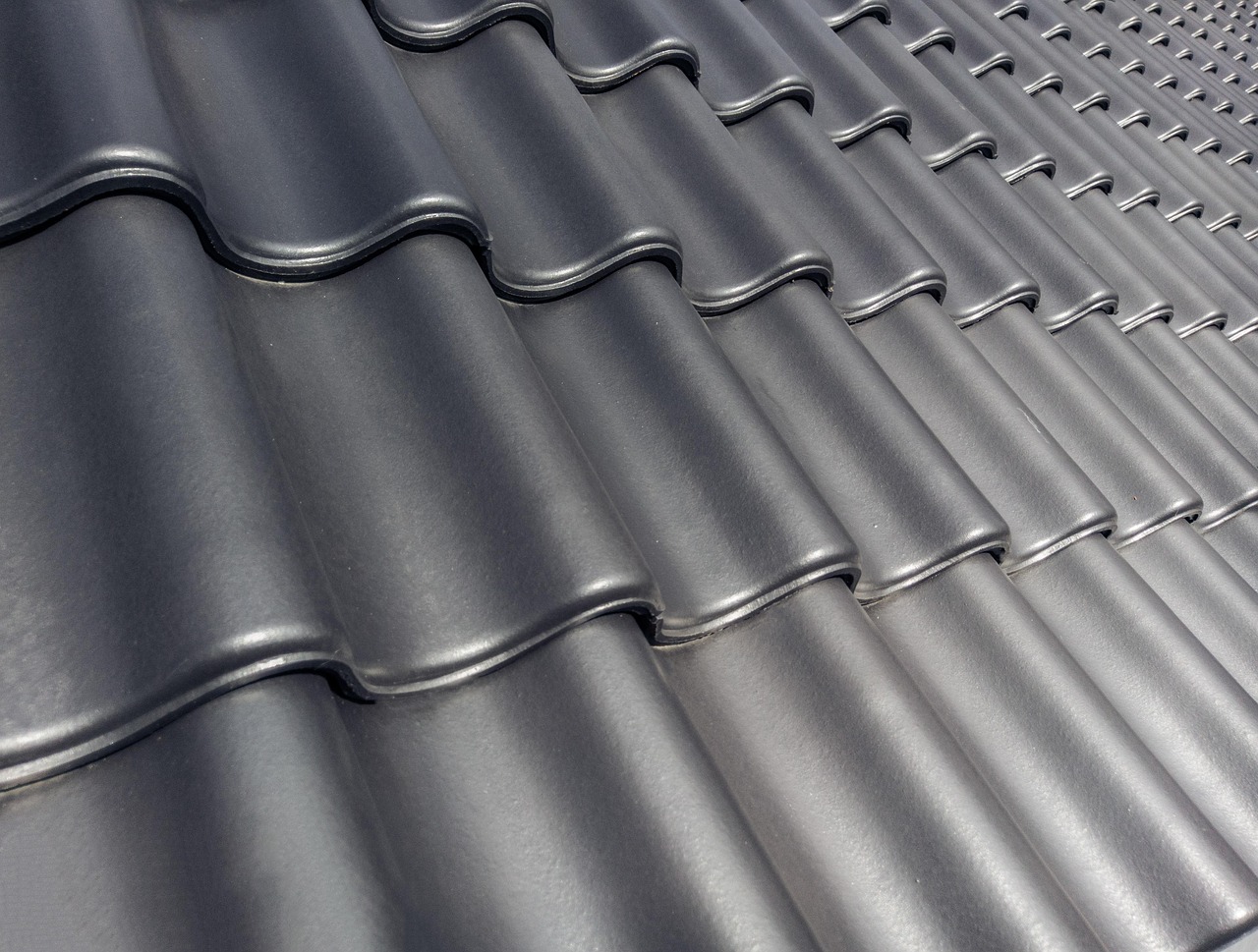
One of the most effective strategies for long-term prevention involves careful material selection. When replacing or repairing roofs, homeowners should prioritize materials naturally resistant to mold growth, such as certain types of tiles, metal, or treated wood. Consulting with a knowledgeable contractor who understands the unique challenges of historic homes in the Tampa area is crucial. They can guide property owners through the best options for their specific structure, taking into account the existing roof framing, local climate, and potential for future moisture intrusion.
Regular, thorough roof inspections are another vital component of long-term mold prevention. Property owners should schedule annual or semi-annual inspections with a Tampa roof mold removal specialist. These experts can identify early signs of mold growth, which is key to minimizing damage and preventing the need for costly, disruptive repairs. By combining thoughtful material choices with proactive inspections, Tampa homeowners can protect their historic properties from the damaging effects of roof mold, ensuring their legacy endures for generations to come.
Cost-effective solutions are possible through low-cost roof mold repair in Tampa, focusing on prevention rather than constant remediation. Investing in a robust, mold-resistant roof from the outset, or treating and sealing existing roofs to deter future growth, can save homeowners money in the long run. By prioritizing prevention, homeowners can protect their investment, preserve their property's unique character, and avoid the stress and financial burden of recurrent mold issues.
Frequently Asked Questions About Roof Mold Remediation for Historic Homes in Tampa: Preserving Heritage
What is the primary concern when addressing mold on a historic roof? The primary concern is the unique materials and construction methods used in historic roofs, which can be more susceptible to mold growth. The mold itself isn't the issue; it's the damage it causes to these delicate structures. Mold removal must be done carefully to avoid damaging historic elements, preserving the home's architectural integrity.
How do I identify mold on my historic Tampa roof? Look for discolored spots, often black, green, or grey, which might be powdery or fuzzy. Check for stains on the roofing material, peeling or blistered areas, or any signs of moisture buildup. Early detection is crucial, as mold can hide behind shingles or in hard-to-reach areas. Regular inspections are key, especially in humid climates like Tampa's.
What steps should I take if I suspect mold on my historic roof? First, consult with a professional who specializes in historic building restoration. They can confirm the presence of mold and assess the extent of the damage. Don't attempt any removal yourself; professional equipment and knowledge are crucial to avoid further damage to the roof and home.
Can historic roofs be restored after mold removal? Absolutely. Proper mold remediation, followed by a restoration plan tailored to the specific historic materials, can restore your roof to its original condition. This often involves replacing damaged areas with materials that match the historical integrity of the building.
Are there special considerations when choosing a remediation company? Yes. Look for a company specializing in historic building preservation. They should have experience with the types of materials used in your home's roof and the unique challenges of mold removal in historic structures. Check references and ensure they follow industry best practices for mold remediation.
How can I prevent mold from returning after remediation? Regular maintenance, including removing debris and checking for leaks, is key. Ensure proper ventilation in the attic space, as poor ventilation can contribute to moisture buildup and mold growth. Consider using mold-resistant materials for any repairs or replacements.
Tackling roof mold remediation in Tampa's historic homes requires a multifaceted approach. By understanding the unique challenges these structures present, from assessing roof conditions to selecting appropriate materials, homeowners and contractors can implement effective, natural solutions. Restoring these properties not only preserves cultural heritage but also maintains and enhances property value.
Key learnings include the importance of a thorough mold inspection and documentation, cost-effective solutions that balance quality and budget, and specialized services tailored to the niche considerations of historic buildings. Regulatory compliance is crucial, ensuring that remediation practices align with Tampa's standards.
Looking ahead, long-term prevention strategies are key to avoiding future mold issues. This includes regular maintenance, quick response times to moisture problems, and material selection that enhances mold resistance. By adopting these practices, Tampa residents and preservationists can safeguard their historic homes, ensuring their longevity and the preservation of the city's cultural fabric.
Tampa Roof Mold Removal: Preserving Heritage
Tampa's historic homes require meticulous care in addressing roof mold. Licensed professionals start with detailed roof assessments, considering material health, integrity, and historical context. They document, sample, and test to pinpoint mold issues accurately. Natural, eco-friendly solutions involve improved airflow, dehumidifiers, and using mold-resistant materials. These methods prevent future problems while preserving architectural value. Local experts prioritize non-destructive, cost-effective solutions, ensuring historical homes are restored with care and respect for the past.